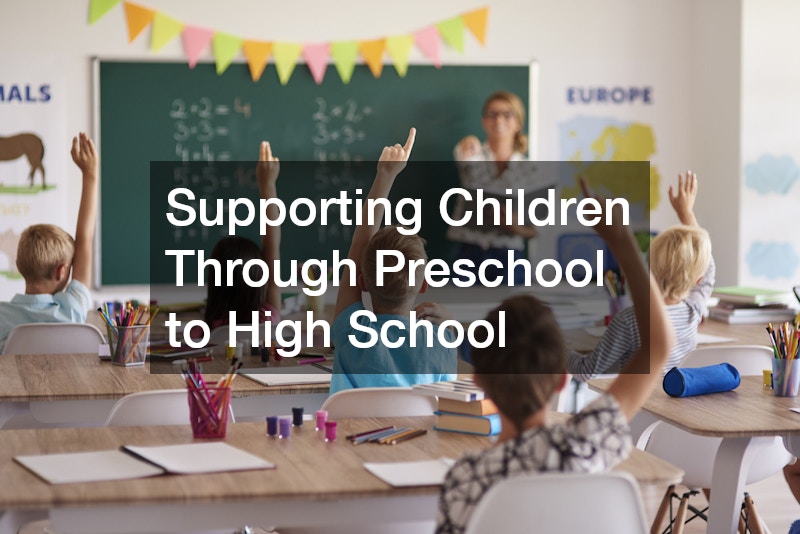
Raising children in today’s educational landscape can feel like navigating a vast, ever-changing map. Parents want to provide the best opportunities for growth, social development, and academic achievement while ensuring their children feel supported at every stage. From the first steps in early learning to preparing for the challenges of high school, every stage of a child’s development matters. Understanding the educational options available, recognizing the benefits of different programs, and tailoring choices to your child’s individual needs can create a foundation for long-term success. Continuous engagement with educators and staying updated on educational trends can enhance this journey significantly.
Every family’s situation is unique, so choosing the right mix of programs and schools requires research, observation, and sometimes trial and error. Early experiences influence not only academic outcomes but also social skills, self-confidence, and creativity. Likewise, adolescence brings a new set of challenges, including navigating peer relationships, adjusting to higher expectations, and exploring personal interests. Parents who stay informed and proactive can help their children adapt to these transitions more smoothly. Regular assessment of children’s growth and adapting to their evolving needs can significantly impact their overall development.
This guide walks families through educational stages from preschool to high school, highlighting key considerations and practical tips. We’ll explore early learning environments, specialized education programs, prep schools, middle school transitions, care options, summer learning opportunities, elementary programs, teen-focused strategies, and creative outlets like art schools. By understanding the benefits of each stage, families can make confident choices that align with their child’s needs, aspirations, and long-term growth. Consistent parental guidance and support remain vital components at every educational milestone.
Building a Strong Early Foundation
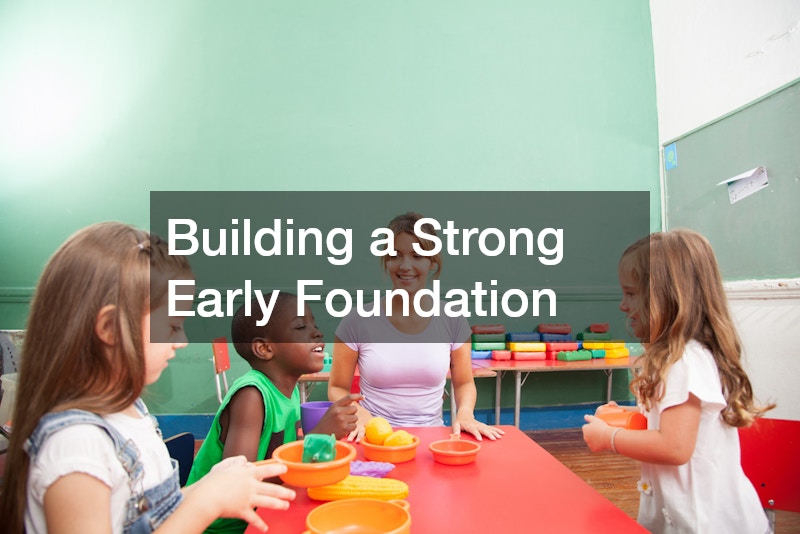
The journey of learning begins long before children enter elementary school. Preschools provide an environment where young learners develop foundational cognitive, social, and emotional skills. A quality preschool not only introduces basic literacy and numeracy but also encourages cooperation, curiosity, and problem-solving. Parents should look for programs that balance structured activities with free play, offering children the opportunity to explore independently while receiving guidance from trained educators. Cultivating a love for learning early on can have profound impacts on future academic endeavors.
Preschools often emphasize social development as much as academic preparation. Children learn to share, take turns, and communicate effectively, which builds the emotional intelligence necessary for later success. Selecting a preschool that aligns with your family’s values and teaching philosophy can set the stage for lifelong learning. Additionally, early exposure to structured routines helps children transition smoothly into formal schooling while instilling confidence in their ability to handle new challenges. Involving children in a variety of activities can further enhance their adaptability and growth.
Understanding the Value of Tailored Education
Private schools offer unique advantages that can shape a child’s academic journey. Smaller class sizes often allow for personalized attention, giving teachers the flexibility to tailor lessons to each student’s learning style. Many private schools emphasize holistic development, blending strong academics with extracurricular opportunities, leadership programs, and community involvement. Exploring various academic and extracurricular options can provide a more rounded educational experience. Furthermore, private schools often have access to more resources and facilities, enhancing the overall quality of education and student engagement.
The benefits of private school education extend beyond academics. Students often gain access to advanced coursework, enrichment programs, and specialized facilities, such as science labs, theaters, or athletic centers. A supportive environment with high expectations can foster discipline, resilience, and critical thinking skills. Parents considering private schools should evaluate not only academic performance but also the culture, values, and resources available to ensure alignment with their child’s needs. Encouraging children to embrace diverse learning experiences can broaden their perspectives and capabilities.
Preparing Students for Academic Rigor
Prep schools provide students with rigorous academic challenges that prepare them for higher education and beyond. These schools emphasize critical thinking, effective study habits, and strong performance in standardized testing. Beyond academics, prep schools often offer robust extracurricular programs, including athletics, arts, and leadership opportunities, which contribute to well-rounded personal development. Building strong relationships with mentors and peers can enhance the educational experience.
Families considering prep schools should assess how the environment matches their child’s temperament and goals. While the academic rigor can be demanding, students who thrive in structured, high-expectation settings often develop discipline and perseverance that benefit them throughout life. The preparatory focus of these schools ensures that students are ready for the demands of college and can pursue specialized interests with confidence. Engaging students in goal-setting activities can motivate them to achieve personal and academic objectives.
Supporting Growth During Transitional Years
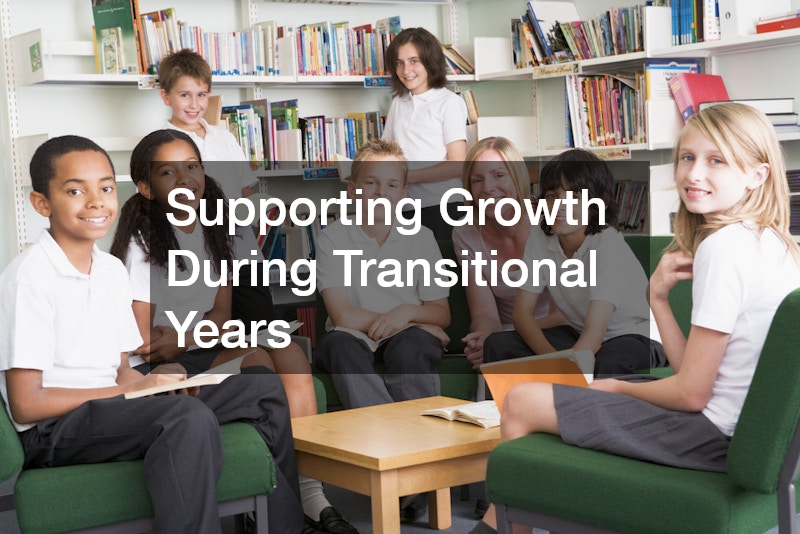
Middle school can be a challenging stage for children, as they navigate rapid physical, emotional, and social changes. It’s a time when students begin developing greater independence while still needing guidance from parents and teachers. Providing support during this transitional period is essential to maintaining academic engagement and emotional well-being. Regularly discussing academic and social experiences with children can help them articulate their feelings and challenges.
Educators in middle school focus on helping students build critical thinking and study skills while exploring personal interests. Encouraging involvement in clubs, sports, and community projects can help children develop confidence and a sense of belonging. Parents should maintain open communication, foster resilience, and help their children set realistic goals, ensuring a smoother transition to high school and beyond. Empowering children to explore leadership opportunities can cultivate valuable life skills.
Choosing the Right Care Environment
Daycare is often the first structured environment children experience outside the home, playing a crucial role in social and emotional development. A high-quality daycare provides not only supervision but also opportunities for learning through play, sensory activities, and guided interactions. Consistent feedback from daycare providers can help parents stay informed about their child’s progress and well-being.
Parents should consider factors such as staff qualifications, child-to-caregiver ratios, safety protocols, and educational programming. Daycare environments that encourage curiosity, communication, and cooperation help children develop foundational skills that will benefit them in preschool and elementary school. The right daycare can also provide a consistent routine, which is important for building security and self-confidence in young children. Building a relationship with caregivers can foster a supportive atmosphere for child development.
Extending Learning Beyond the School Year
Summer school programs offer opportunities for children to reinforce learning, explore new subjects, or accelerate academic progress. For some students, summer school provides remediation in challenging subjects, while for others, it allows enrichment in areas of personal interest. Exposure to various subjects and creative activities can inspire new hobbies and interests during the summer break.
These programs can prevent the “summer slide,” where students lose skills over long breaks, and help maintain engagement in learning year-round. Summer school also provides social benefits, offering children the chance to interact with peers outside their regular school setting. Families should evaluate programs for content quality, instructor expertise, and alignment with their child’s interests to maximize the benefits of these seasonal learning opportunities. Encouraging participation in educational excursions can make learning enjoyable and memorable. Additionally, summer programs can serve as a bridge, helping children transition smoothly to the next academic year with enhanced confidence and readiness.
Finding Nurturing Neighborhood Programs
Local early learning centers provide community-based options for families seeking structured education before elementary school. These centers often combine academic preparation with social and emotional development, helping children adapt to school routines. Enabling children to make friends within the community can strengthen their social skills and sense of belonging.
Choosing a local early learning center close to home can reduce stress for families and make daily logistics easier. Many centers also emphasize parental involvement, providing updates, workshops, and opportunities for engagement. A nurturing local environment helps children feel supported while building confidence, curiosity, and foundational skills that prepare them for formal education. Exploring community programs and events can facilitate family bonding and community integration. Additionally, these centers often tailor their programs to reflect the culture and values of the community, promoting inclusivity and respect for diverse backgrounds.
Strengthening Core Skills in Young Learners
Elementary school is where children solidify essential academic skills in reading, writing, math, and science. Strong instruction during these years builds confidence and sets the stage for future learning. Continuous reinforcement and practice at home can complement in-school learning and strengthen core skills. Engaging children in interactive activities and discussions can further enhance their critical thinking and problem-solving abilities.
Elementary schools also emphasize social development, teamwork, and problem-solving, teaching children how to interact positively with peers and authority figures. Parents can support their children by staying engaged in homework, attending school events, and fostering a positive attitude toward learning. By providing consistent encouragement, families help students develop habits and skills that carry into middle school and high school. Encouraging collaborative projects can enhance problem-solving and critical thinking abilities in children. The nurturing environment of elementary schools plays a crucial role in shaping students’ attitudes towards education, making learning both enjoyable and effective.
Guiding Teens Toward Future Success
High school is a pivotal stage for preparing teens for college, career paths, and personal development. Academic challenges increase, and students are expected to take greater responsibility for their learning. Guidance counselors, teachers, and parents play crucial roles in helping teens navigate coursework, extracurricular activities, and social pressures. Exploring career exploration programs can assist students in aligning their academic choices with future ambitions.
High school also provides opportunities for exploring interests, developing leadership skills, and preparing for standardized testing and college applications. Families can support their teens by fostering time management, encouraging self-advocacy, and helping them set realistic goals. A well-supported high school experience equips students with the skills, knowledge, and confidence needed for life after graduation. Additionally, participation in school clubs and volunteer activities can enhance students’ resumes and provide valuable real-world experiences. Regularly discussing post-secondary options can help teens make informed decisions about their future paths.
Encouraging Creativity Through Specialized Programs
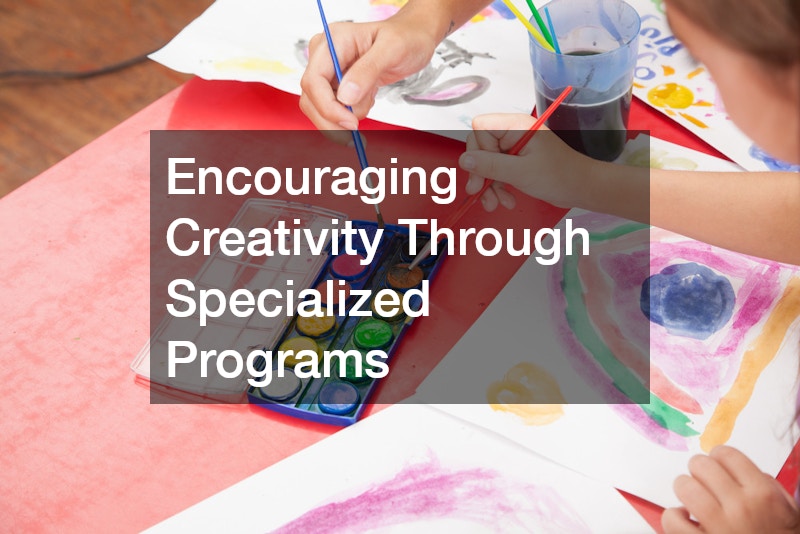
Art schools and specialized creative programs offer children and teens opportunities to explore talents in the visual arts, music, theater, and design. These programs cultivate creativity, self-expression, and critical thinking, complementing traditional academic learning. Encouraging participation in exhibitions or performances can enhance children’s confidence in their creative abilities. Additionally, these programs often provide a platform for young artists to collaborate and learn from one another, further enriching their creative journey.
Participation in art programs can improve problem-solving, collaboration, and communication skills, while also providing a therapeutic outlet for stress and emotions. Families should look for programs that match their child’s interests, provide skilled instruction, and encourage experimentation. Integrating art education with core academics supports a balanced approach to learning and personal growth, helping children develop a strong sense of identity and confidence. Providing opportunities for creative expression at home can further nurture these skills.
Supporting children through preschool to high school requires a comprehensive understanding of the educational options and developmental needs at each stage. Early learning environments, whether preschools, daycare, or local early learning centers, set the foundation for academic and social growth. As children progress, programs like summer school, prep schools, and private education offer opportunities to enhance learning and prepare for future challenges. Staying informed about evolving educational practices ensures that families can provide the best support for their children.
Middle school and high school present transitional and preparatory stages where guidance, structure, and support are critical. Elementary schools help solidify core skills, while high school prepares teens for independence, career exploration, and post-secondary education. Specialized programs such as art schools allow children to develop creativity, self-expression, and problem-solving abilities that complement academic growth. Engaging with schools and teachers can promote a supportive environment conducive to child development.
Families play a pivotal role in navigating these options, balancing academic preparation, social development, and personal interests. By understanding the benefits of each educational stage, engaging with teachers and programs, and staying proactive, parents can create a supportive, enriching environment that nurtures lifelong learning. Ultimately, informed decisions and consistent involvement equip children to thrive academically, socially, and emotionally, setting the stage for a successful and fulfilling future. Active dialogue with children about their experiences and aspirations can further support their educational journey.