Strong family relationships are not built by chance—they are built through consistent, shared experiences that create trust, communication, and emotional safety. In today’s fast-paced world, families often find themselves pulled in different directions by work, school, screens, and external commitments. As a result, meaningful connections can sometimes take a backseat to daily responsibilities.
However, research and lived experience consistently show that families who intentionally create shared moments—whether through travel, routines, or simple everyday activities—tend to develop stronger emotional bonds and better communication habits. These experiences do not need to be expensive or complicated. In fact, some of the most meaningful memories are created through simple, repeated interactions that allow family members to feel seen, heard, and valued.
This guide explores practical, real-world ways families can build stronger connections through shared experiences. From travel and community involvement to daily routines and seasonal activities, each section offers actionable ideas designed to fit into modern family life. The goal is to help parents and caregivers create a rhythm of connection that feels natural, sustainable, and enjoyable for everyone involved.
Planning Meaningful Family Getaways That Encourage Bonding
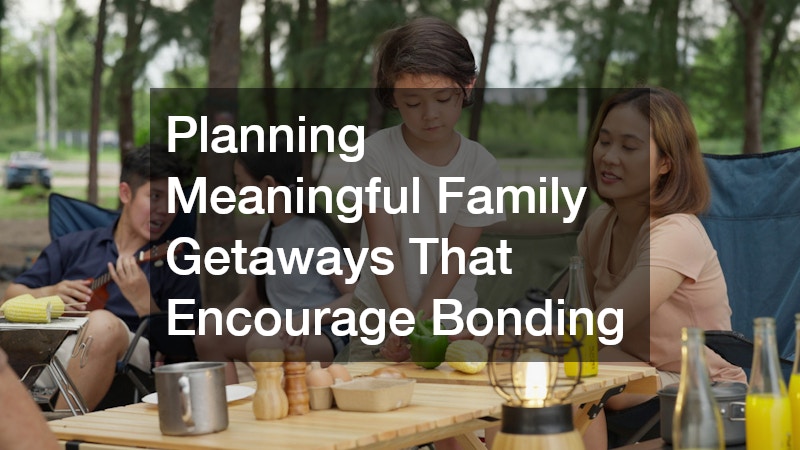
Travel is one of the most powerful ways to strengthen family relationships because it removes families from routine environments and encourages teamwork, communication, and shared discovery. Even short trips can create lasting memories when planned thoughtfully.
One flexible option many families enjoy is using an rv rental, which allows for spontaneous travel while still maintaining comfort and familiarity. Unlike traditional vacations, RV trips give families control over their schedule and the freedom to explore multiple destinations without the stress of frequent hotel changes.
To make travel more comfortable and meaningful, preparation is key. Essential items like hiking shoes ensure that every family member can participate in outdoor exploration safely and comfortably, whether it’s walking nature trails or exploring small towns along the way.
Helpful tips for family RV travel:
- Plan flexible routes instead of strict schedules
- Include children in destination planning
- Rotate responsibilities like navigation or meal prep
- Schedule unplugged time to encourage conversation
- Choose nature-focused stops for bonding activities
These shared travel experiences encourage cooperation, patience, and storytelling—skills that naturally strengthen family communication long after the trip ends.
Building Community Through Faith and Structured Activities
Families often grow stronger when they are part of supportive communities that reinforce shared values and provide opportunities for connection outside the home. Community involvement helps children develop social skills while giving parents additional support networks.
A welcoming church community can offer families a sense of belonging, shared values, and regular opportunities to engage with others in meaningful ways. These environments often encourage volunteer work, group gatherings, and intergenerational relationships that enrich family life.
Structured physical activities also play an important role in building discipline and confidence. Enrolling children in martial arts classes helps them develop focus, respect, and self-control while also providing a healthy outlet for energy.
Ways families can benefit from community and structured programs:
- Attend group events regularly to build familiarity and trust
- Encourage children to set personal goals in physical activities
- Participate in community service together
- Support children’s friendships formed in group settings
- Reinforce shared values through daily conversations
These shared experiences outside the home help children feel supported while offering families additional opportunities to grow emotionally and socially together.
Creating Daily Routines That Support Family Interaction
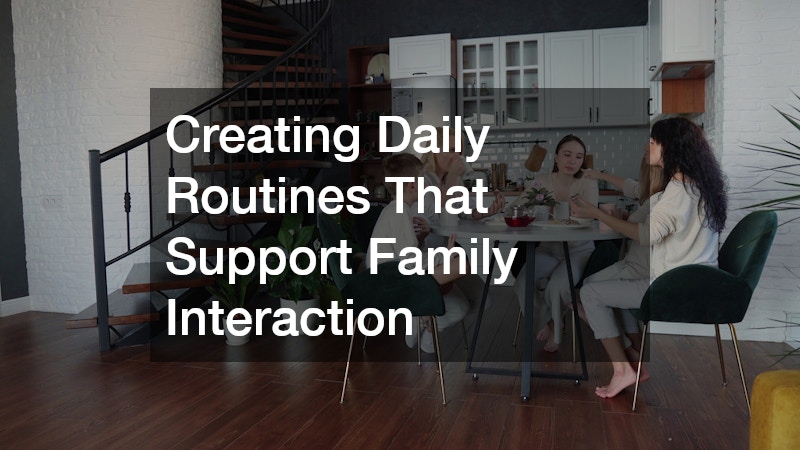
While big experiences like travel and community events are important, it’s in daily routines that family connection is truly built. Small, consistent interactions create emotional stability and trust over time.
For many families, choosing a supportive day care center can help ensure that children are in a safe, nurturing environment while parents manage work responsibilities. A quality care setting also encourages early social development and helps children build confidence in group settings.
Seasonal programs such as summer infant camp can also provide structured learning and socialization opportunities during key developmental stages. These programs often combine play, education, and social interaction to support early growth.
To strengthen daily connection, families can:
- Share meals whenever possible, even simple breakfasts
- Create bedtime routines that include conversation
- Ask open-ended questions about each other’s day
- Establish consistent morning check-ins
- Limit distractions during family time
Even 10–15 minutes of intentional daily connection can significantly improve communication and emotional closeness over time.
Turning Everyday Errands Into Family Experiences
Not every meaningful family memory comes from big trips or planned events. In fact, some of the strongest connections are built through ordinary, everyday activities that become intentional bonding opportunities.
A simple visit to a garden center can become a shared learning experience for children and parents alike. Choosing plants together, learning about seasonal growth, and planning a home garden teach responsibility, patience, and care. It also allows children to feel involved in shaping their home environment.
Similarly, even something as routine as going out for a meal can become a meaningful ritual. A visit to a pizza restaurant can become a weekly tradition where families disconnect from screens and reconnect through conversation. Sharing food in a relaxed environment often encourages children to open up more freely than they might at home.
Ideas for turning errands into bonding moments:
- Let children choose plants or flowers for home projects
- Assign small responsibilities during outings (ordering food, budgeting)
- Discuss the day’s highlights during shared meals
- Create a “family outing day” once a week
- Encourage storytelling during casual activities
When families approach everyday tasks with intention, even the simplest moments can strengthen communication and emotional closeness.
Encouraging Active Play and Outdoor Family Fitness

Physical activity is not only important for health—it also creates opportunities for families to bond through shared movement and teamwork. Outdoor and recreational activities encourage cooperation, laughter, and problem-solving in natural ways.
Maintaining a safe and enjoyable home environment can support this lifestyle. For example, regular swimming pool maintenance ensures a home pool remains clean, safe, and ready for family use year-round. A well-maintained pool becomes a natural gathering place for fun, relaxation, and exercise.
Seasonal programs, such as summer camp, also provide children with opportunities to build independence, make friends, and develop new skills. These experiences often include outdoor activities, group challenges, and creative projects that encourage teamwork and confidence.
Ways to encourage active family lifestyles:
- Schedule weekly outdoor activity time
- Participate in seasonal sports or recreational programs
- Create friendly family fitness challenges
- Use outdoor spaces for games and relaxation
- Encourage children to try new physical activities
When families move together, they not only improve physical health but also strengthen emotional bonds through shared effort and encouragement.
Supporting Skill Development Through Structured Learning
Children thrive when they are exposed to structured learning environments that challenge them while still feeling fun and engaging. These environments also provide valuable opportunities for parents to stay involved in their child’s development.
Programs like martial arts classes help children build discipline, resilience, and confidence. They learn how to set goals, respect authority, and improve focus—all while staying physically active. Parents often notice improvements not just in fitness, but also in behavior and emotional regulation.
In addition, many families choose flexible solutions like RV rental experiences to combine travel with learning opportunities. Traveling together in this way allows children to experience geography, history, and culture firsthand while still maintaining family routines.
Benefits of structured learning experiences:
- Improved focus and self-discipline in children
- Stronger problem-solving and social skills
- Increased confidence in group settings
- Opportunities for parents to support progress actively
- Real-world learning beyond the classroom
When learning becomes a shared journey rather than an individual task, families grow together in both understanding and connection.
Strengthening Family Communication Through Shared Responsibilities
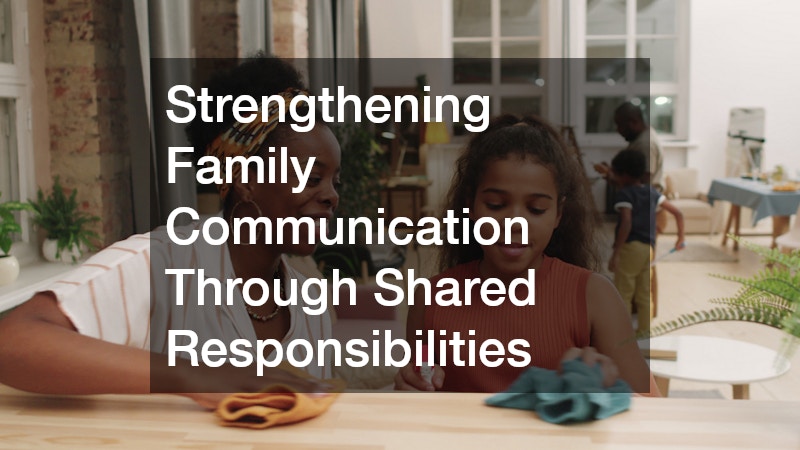
One of the most overlooked ways to build strong family relationships is through shared responsibility. When children are included in age-appropriate tasks, they develop a sense of ownership and accountability, while parents gain opportunities for mentorship and connection.
Families can begin by assigning simple daily or weekly responsibilities such as meal preparation, cleaning tasks, or organizing shared spaces. These responsibilities should be framed as teamwork rather than chores, emphasizing cooperation over obligation.
Helpful approaches include:
- Rotating responsibilities weekly to build fairness
- Working together on household tasks instead of individually
- Celebrating completed tasks as family achievements
- Holding short weekly check-ins to discuss schedules
- Encouraging problem-solving as a group
When families work together, communication becomes more natural and consistent. These shared responsibilities also help children understand the value of contribution and teamwork in everyday life.
Building Lasting Family Traditions That Reinforce Connection
Family traditions are powerful because they create a sense of identity, belonging, and continuity. When children know they can expect certain shared moments throughout the year, it builds emotional security and strengthens long-term family bonds.
One meaningful way families can expand their experiences is by participating in a welcoming church community, where shared values, gatherings, and group activities help reinforce connection beyond the home. These environments often encourage families to engage in service, celebrations, and group learning, strengthening relationships both within and outside the household.
Another valuable tradition is introducing seasonal or recreational programs, such as summer infant camp, which provide young children with early opportunities for social development in a structured and supportive setting. These experiences help children build confidence while giving parents peace of mind that their child is learning and growing in a positive environment.
Ways to build meaningful family traditions:
- Create monthly or seasonal family activity days
- Attend community gatherings or group events together
- Celebrate milestones with shared rituals
- Take photos or journals to document experiences
- Allow traditions to evolve as children grow
Over time, these repeated experiences become emotional anchors that children carry into adulthood.
Creating a Personalized Wellness Routine That Works for Families
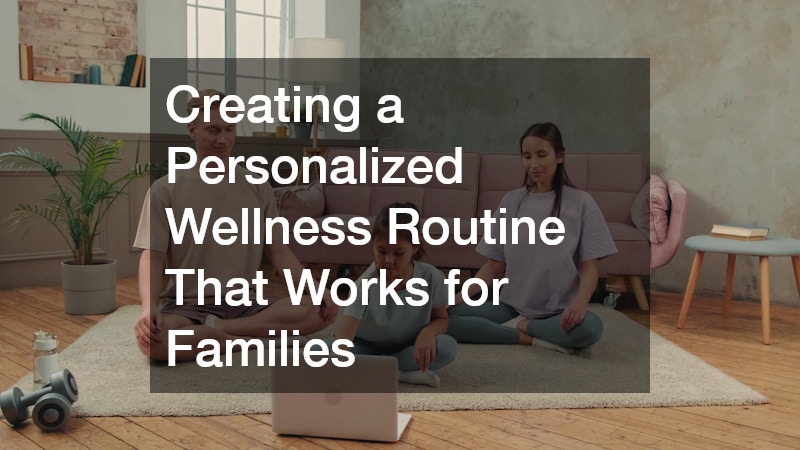
Strong family connections are not built through occasional effort—they are built through consistent habits that fit naturally into daily life. The key is creating a routine that supports both structure and flexibility so every family member feels included.
Families can incorporate simple wellness and lifestyle habits, such as visiting a local health-focused shop or integrating wellness learning into weekly routines. For example, a visit to a garden center can become part of a broader family routine that includes cooking together, outdoor care, and shared responsibility for home environments. These activities teach children patience, responsibility, and appreciation for nature.
A balanced family routine may include:
- Shared meals at consistent times
- Weekly planning or reflection conversations
- Outdoor time for relaxation and connection
- Rotating family-led activity nights
- Screen-free bonding periods
When families commit to consistent routines, connection becomes part of everyday life rather than a special occasion.
Sustaining Strong Family Bonds Through Intentional Living
Long-lasting family relationships are built through intention, not accident. When families make a conscious effort to spend time together, communicate openly, and share experiences, they create a foundation of trust and emotional security that supports every member.
Even simple routines like a visit to a pizza restaurant can become meaningful traditions when approached with presence and intention. These small, repeated moments often matter more than large, occasional events because they build familiarity and comfort over time.
Similarly, planning activities like summer camp experiences or maintaining safe home environments through services like swimming pool maintenance service ensures that families have both structured and spontaneous opportunities to connect. Each shared experience adds another layer to the family bond.
To sustain strong connections long-term:
- Prioritize consistency over perfection
- Stay flexible as family needs evolve
- Encourage open communication at all ages
- Continue creating new shared experiences regularly
- Celebrate both small and large moments together
Expanding Family Connection Through Everyday Intentionality
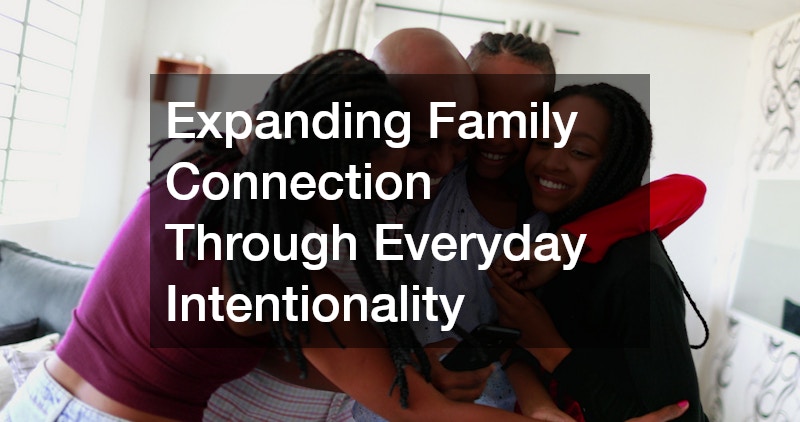
Beyond planned activities and traditions, some of the strongest family bonds are built in the smallest, most ordinary moments of daily life. What truly defines a connected family is not how many special events they attend, but how present they are with one another in between those events.
For example, simple transitions like school drop-offs, bedtime routines, or even shared car rides can become meaningful opportunities for conversation and emotional connection. Instead of treating these moments as background noise, families can use them intentionally to check in with one another. Asking open-ended questions such as “What was the best part of your day?” or “Did anything surprise you today?” encourages children to express themselves more freely over time.
Families can also strengthen emotional connections by practicing active listening. This means putting away distractions, making eye contact, and responding thoughtfully rather than rushing through conversations. Children, especially, feel more valued when they sense that their thoughts are being taken seriously.
Ultimately, sustaining strong family bonds is less about perfection and more about presence. When families consistently choose to engage with one another—through both structured experiences and everyday moments—they create a lasting foundation of trust, warmth, and shared identity that carries through every stage of life.