As a parent, deciding where to take your child when they are sick can be stressful. While your pediatrician is your go-to for regular checkups and non-emergency concerns, there are times when a local pediatric urgent care is the safer and faster choice. Understanding when to use urgent care versus waiting for a scheduled pediatric appointment can ensure your child gets timely treatment, reduces stress for both parent and child, and may prevent complications from minor illnesses becoming more serious.
Pediatric urgent care centers are specifically designed to handle common childhood illnesses and injuries that require prompt attention but are not life-threatening. These facilities often offer extended hours, shorter wait times, and specialized staff trained in pediatric care, making them a convenient option when your child needs care outside of regular office hours. Familiarizing yourself with what conditions are appropriate for urgent care versus emergency care empowers you to make informed decisions quickly, giving your child the best chance for a speedy recovery while minimizing unnecessary anxiety.
1. Immediate Attention for Non-Life-Threatening Illnesses
A local pediatric urgent care is designed to handle illnesses and injuries that require prompt attention but are not severe enough to warrant a trip to the emergency room. Common situations include fever, ear infections, sore throats, mild asthma flare-ups, vomiting, or diarrhea. These conditions can escalate quickly in children, and waiting for a regular pediatric appointment—especially if the next available slot is days away—can lead to unnecessary discomfort and risk.
For instance, a child with a persistent high fever that doesn’t respond to over-the-counter medications may not need the ER, but they do need prompt evaluation. Local pediatric urgent care centers are staffed with pediatric-trained providers who can quickly assess, diagnose, and treat these conditions, offering both relief and peace of mind for parents.
Additionally, urgent care centers often have on-site labs and imaging services. This means your child can receive a full workup in one visit rather than being sent elsewhere, which can be particularly beneficial if your child is uncomfortable or anxious. Having these services in one location can also speed up diagnosis and treatment, helping your child feel better faster.
2. Convenient Hours and Accessibility
One of the main advantages of a local pediatric urgent care is convenience. Unlike regular pediatric offices, which often operate during standard business hours, urgent care centers usually offer extended hours, including evenings, weekends, and holidays. This flexibility is invaluable when your child becomes ill outside of your pediatrician’s office hours.
Imagine your child develops a rash or mild respiratory symptoms late on a Sunday evening. Instead of waiting until Monday morning, a local pediatric urgent care can provide timely evaluation and treatment. This is especially important for working parents who may struggle to schedule a same-day appointment with their pediatrician.
Furthermore, many urgent care centers accept walk-ins, meaning you don’t have to navigate phone queues or wait for appointment confirmations. The combination of extended hours and walk-in availability makes urgent care an excellent resource for busy families who need immediate but non-emergency medical care.
3. Minor Injuries and Accident Care
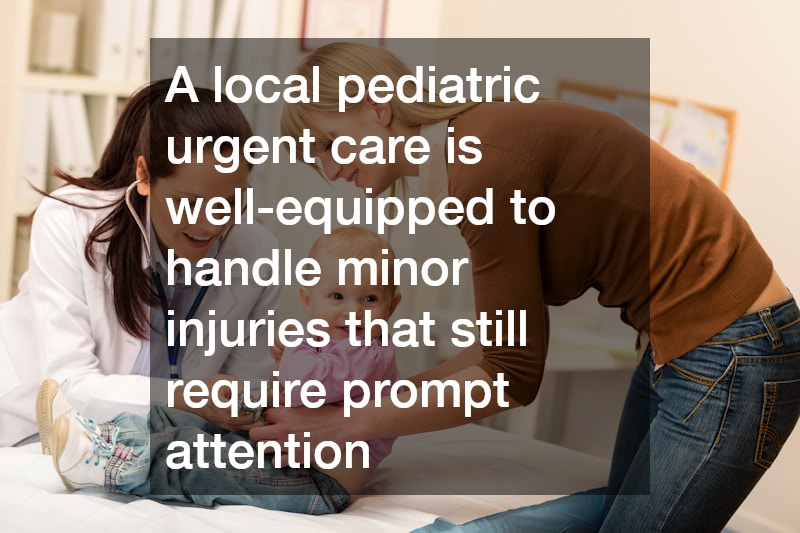
Children are naturally active, and scrapes, cuts, minor fractures, and other accidents are part of growing up. While severe injuries should always be directed to the emergency room, a local pediatric urgent care is well-equipped to handle minor injuries that still require prompt attention.
For example, if your child falls and sustains a small fracture, receives a deep cut that might need stitches, or has a sprain, urgent care centers can provide X-rays, apply casts or splints, and treat wounds efficiently. Pediatric-trained staff can also offer guidance on at-home care, reducing the likelihood of infection or improper healing.
In addition, parents often appreciate that urgent care staff are experienced in working specifically with children, making the environment less intimidating. This can help minimize stress for both the child and the parent while ensuring the injury is treated safely and effectively.
Knowing when to visit a local pediatric urgent care versus waiting for your pediatrician is crucial for timely and effective care. Urgent care centers are ideal for non-life-threatening illnesses, minor injuries, and situations where immediate attention is required outside of regular office hours. They offer convenience, access to pediatric-trained professionals, and the ability to address a wide range of issues quickly and efficiently.
While your pediatrician remains the cornerstone of your child’s long-term healthcare, having a trusted local pediatric urgent care on hand can be a lifesaver during those unpredictable moments when illness or injury strikes. By understanding the difference between situations requiring urgent care and those suited for routine pediatric visits, parents can make informed decisions, ensuring their children receive the care they need without unnecessary delays.
Ultimately, having both your pediatrician and a local pediatric urgent care in your healthcare toolkit provides flexibility, peace of mind, and better outcomes for your child’s health.