Caring for a loved one can be both rewarding and challenging. Many families find themselves balancing work, personal life, and the responsibilities of ensuring that their elderly or disabled family members receive proper care. This is where in home health care services can make a significant difference. These services provide professional assistance, allowing individuals to maintain independence while receiving the care they need in the comfort of their own homes.
With the increasing demand for personalized care options, in home health care services have become an essential resource for families seeking both quality and convenience.
Personalized Medical Care in the Comfort of Home
One of the key aspects of in home health care services is the provision of medical support in a familiar environment. This can include assistance with medication management, wound care, physical therapy, and monitoring vital signs. Receiving care at home reduces the risk of exposure to infections that can occur in hospitals or nursing facilities. For elderly patients or those with chronic illnesses, this can be especially important.
Professional caregivers are trained to recognize early signs of medical issues and intervene promptly. This proactive approach helps prevent emergencies and allows for timely adjustments to treatment plans. Families often report a higher level of satisfaction knowing their loved ones are not only safe but also receiving expert care around the clock. Moreover, the presence of trained professionals in the home provides peace of mind, knowing that assistance is available whenever needed.
Emotional Support and Companionship
Beyond medical needs, in home health care services offer critical emotional support and companionship. Loneliness and social isolation are common issues among seniors and individuals with limited mobility, often leading to depression and cognitive decline. In-home caregivers provide meaningful interaction, engage in conversation, and assist with daily activities such as meals, grooming, and recreational activities.
Having a familiar and caring presence can improve mood, encourage social engagement, and boost overall mental health. Caregivers often develop strong bonds with those they serve, fostering trust and comfort. This emotional support is especially beneficial for individuals dealing with chronic conditions or recovering from surgery, as it can motivate them to follow care routines and remain active in their own lives. Families also gain reassurance knowing their loved ones are not left alone during difficult times.
Flexibility and Cost-Effectiveness
Another major benefit of in home health care services is the flexibility they provide. Services can be scheduled according to the patient’s needs—ranging from a few hours a week to round-the-clock care. This allows families to balance their schedules while ensuring their loved ones are receiving consistent support. Unlike long-term care facilities that may require full-time residency, in-home care adapts to each household’s lifestyle and budget.
While some may assume that in-home care is costly, it can actually be a more economical option compared to nursing homes or assisted living facilities. Families can choose the level of care required and adjust services as needed, avoiding unnecessary expenses. Additionally, the ability to remain in a familiar home environment often leads to better health outcomes, which can reduce hospital visits and medical costs over time.
In home health care services also allow for continuity of care. Families can select caregivers who specialize in the specific conditions or needs of their loved ones, ensuring a higher quality of service. This specialized attention contributes to a smoother recovery process and improves the overall quality of life for patients.
Enhancing Independence and Quality of Life
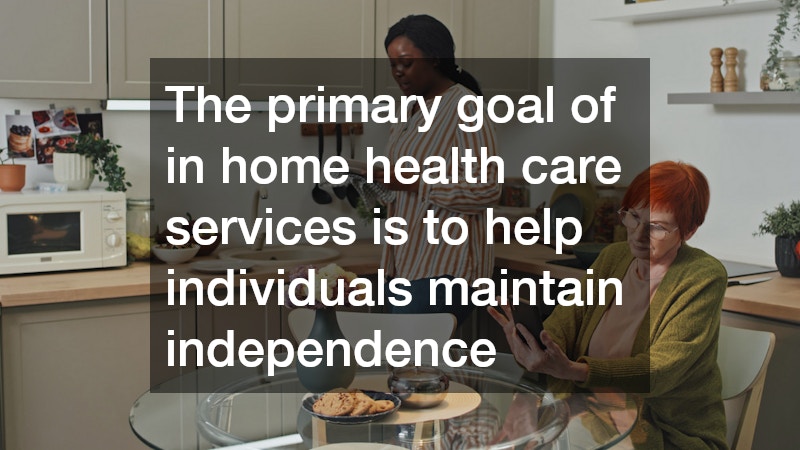
Ultimately, the primary goal of in home health care services is to help individuals maintain independence while receiving necessary support. Patients can continue living in their own homes, follow daily routines, and retain a sense of autonomy. Caregivers assist with mobility, transportation, meal preparation, and personal care without taking away the individual’s dignity or sense of control.
Maintaining independence is not only important for physical health but also for emotional and psychological well-being. Being in a familiar environment, surrounded by personal belongings and memories, contributes to a sense of stability and comfort. Families benefit as well, knowing their loved ones are safe, happy, and engaged in daily life.
In addition, in home health care services often include education and training for family members. Caregivers can provide guidance on how to assist with medical tasks, manage chronic conditions, and create a safe home environment. This collaboration between professionals and families enhances the overall effectiveness of care and ensures long-term support for the patient.
Investing in in home health care services ensures that your loved ones receive the attention and support they deserve while preserving their independence and dignity. Whether you are managing chronic conditions, recovering from surgery, or simply seeking assistance with daily routines, in-home care offers a compassionate, practical, and effective approach to maintaining health and well-being. By choosing the right services, families can rest assured that their loved ones are in capable hands, enjoying comfort, safety, and improved quality of life every day.