Choosing the right infant daycare is a crucial decision for any family, as it can have significant implications for your child’s early development and well-being. With numerous daycare options available, each offering different environments, activities, and care philosophies, understanding what to look for becomes essential.
This article outlines the fundamental factors to consider, helping you make an informed choice that benefits your infant and fits seamlessly into family life.
What Are the Important Factors to Consider When Choosing an Infant Daycare?
When selecting an infant daycare, first consider the location and convenience relative to your home or workplace. Proximity can greatly impact daily routines, reducing travel time and stress for both parents and children. Additionally, check for availability; waiting lists can be long, so it’s wise to start researching and applying well ahead of time to secure a spot.
Another crucial factor is the daycare’s operating hours and flexibility in terms of drop-off and pick-up times. Some centers offer extended hours, which can be particularly beneficial for families with unpredictable work schedules. It’s also worth considering their holiday schedules and whether backup care options are provided during those times.
Finally, assess the costs involved, which can vary widely between facilities. Understanding the fee structure, including any additional charges for supplies, food, or special activities, will help you avoid unexpected expenses. Ensure that the daycare’s services fit within your budget without compromising on quality or safety.
How Do You Assess the Quality of Daycare Providers?
To assess the quality of daycare providers, begin by researching accreditation and licensing, ensuring the facility complies with local regulations and standards. Accreditation from recognized bodies is a positive indicator of adherence to specific educational and safety benchmarks. Furthermore, online reviews and word-of-mouth recommendations from other parents can provide insights into the daily experiences and satisfaction levels of families currently using the daycare’s services.
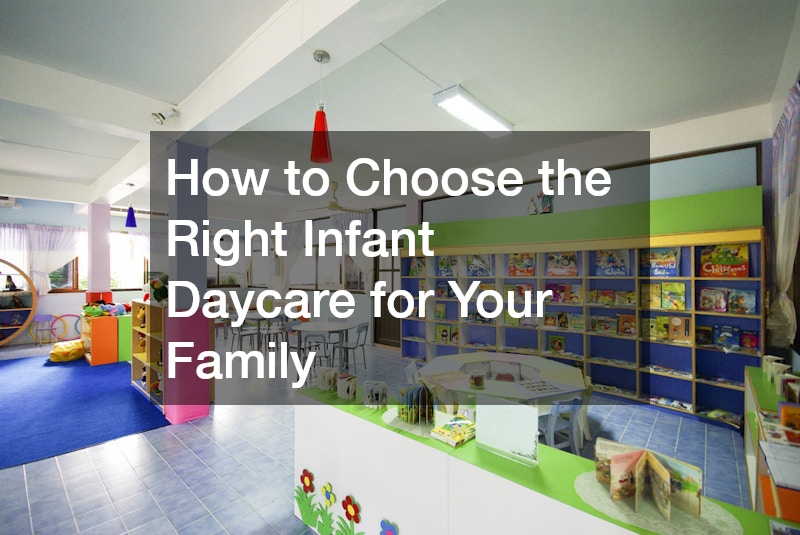
Visit potential daycare centers to evaluate the environment personally. Look for signs of cleanliness, safety, and an engaging atmosphere. Pay attention to the staff-to-child ratio, which is crucial in guaranteeing personalized attention and minimizing accidents or oversight.
Relationships between caregivers and children are paramount. Observe the interactions between staff and infants; caregivers should demonstrate patience, attentiveness, and warmth. Consistency in caregiver assignments helps infants form secure attachments, which are vital for emotional development.
What Questions Should You Ask Potential Daycare Providers?
When interviewing daycare providers, inquire about their educational philosophy and curriculum. Understanding their approach to learning and play will help you determine if it aligns with your preferences for your child’s developmental needs. Ask how the center tailors activities to individual children’s growth stages, ensuring they remain appropriately stimulating and nurturing.
Another important question revolves around health and safety policies. Clarify their procedures for handling illnesses, emergencies, and hygiene. Knowing how the daycare manages daily sanitation and responds to incidents can provide peace of mind regarding your infant’s environment.
Additionally, explore the daycare’s staff training and turnover rates. Inquire about staff qualifications, ongoing professional development, and how long caregivers typically remain at the center. High turnover can be a red flag, affecting continuity of care and your child’s sense of security.
How Can You Ease the Transition to Daycare for Your Infant?
Smooth transitioning to daycare requires a thoughtful introduction to the new environment. Start with shorter stays, gradually increasing the time your infant spends at the daycare to help them adjust. During this period, maintain open communication with caregivers to monitor your child’s adaptation and emotional responses.
At home, reinforce routines similar to daycare to provide consistency for your infant. This includes regular timings for meals, naps, and playtime. Such continuity can reduce anxiety, as familiar structures often ease the burden of new experiences.
Finally, engage your infant in conversations about daycare, even if they are not yet verbal. Use positive language and expressions to build excitement and confidence. Your emotional support during this transition plays a critical role in how your infant views and adapts to this new stage in their life.
Choosing the right infant daycare involves careful consideration of various factors, including practical elements like location and cost, alongside the qualitative aspects of care and environment. Ensuring the daycare aligns with your family’s values and supports your child’s growth is essential. By posing critical questions, evaluating quality through visits, and helping your child transition smoothly, you can confidently select a daycare provider that offers safety, warmth, and developmental support, paving the way for a positive and enriching experience for your infant.