
Planning a wedding ranks among the most exciting chapters of life, but it can also feel overwhelming once the numbers start adding up. When you want your celebration to welcome guests of every age, from toddlers to great-grandparents, the planning puzzle gets a few extra pieces. The good news? A family-friendly wedding doesn’t have to drain your savings.
Family-friendly celebrations put people first. Instead of focusing on extravagant details that few guests will remember, these weddings emphasize comfort, connection, and shared joy. Kids can play, older relatives can relax, and everyone in between can enjoy a day that feels warm and inclusive rather than formal and stiff.
That focus on people can actually work in your favor financially. When you prioritize experiences over excess, you naturally make room for smarter spending. You’ll find that many of the elements guests love most, such as good food, comfortable seating, and a relaxed atmosphere, don’t require a luxury price tag.
Of course, a budget only works if you build it thoughtfully. Before you book a single vendor, sit down with your partner and talk about what matters most to both of you. Maybe you dream of a stunning dress, or perhaps a delicious dinner tops your list. Knowing your priorities helps you decide where to splurge and where to save.
It also helps to set a realistic total figure early on. Look at your savings, consider any contributions from family members, and decide on a number that won’t leave you stressed after the honeymoon. Then, divide that total into categories so you can track spending as you go and catch problems before they grow.
Don’t forget the hidden costs that tend to sneak up on couples. Taxes, service fees, gratuities, delivery charges, and last-minute additions can push even a careful plan over budget. Building a small cushion of roughly 10% of your total gives you breathing room for the unexpected.
Throughout this guide, we’ll walk through the major decisions you’ll face, from feeding your guests to finding meaningful accessories. Each section offers practical ideas for stretching your dollars while still creating a celebration that feels personal and memorable. You’ll also discover a few creative shortcuts that many couples overlook.
Whether you’re planning an intimate backyard gathering or a larger celebration with extended family, these tips will help you make confident choices. Grab a notebook, pour yourself a cup of coffee, and let’s dive into the strategies that can help you plan a joyful, budget-friendly day the whole family will cherish.
Planning a Family Meal
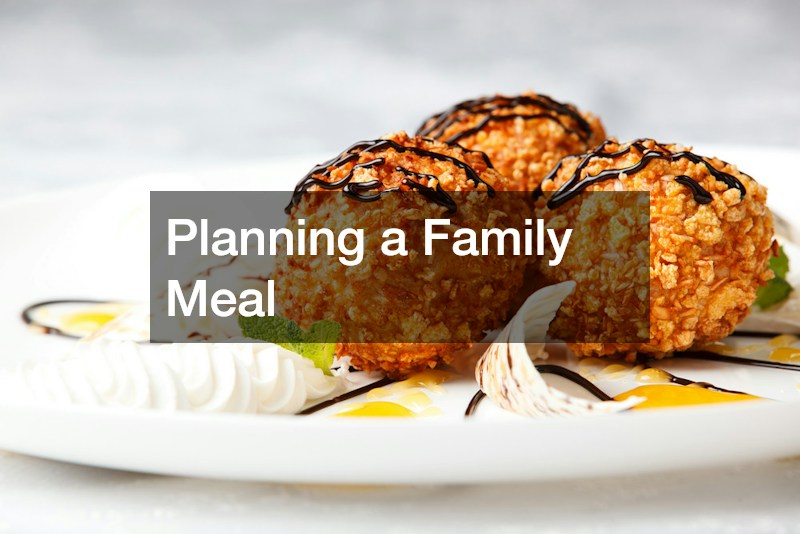
Food often takes the biggest bite out of a wedding budget, so it deserves careful attention. The way you serve your meal affects both the cost and the experience. Plated dinners with multiple courses look elegant, but they require more staff and higher per-person pricing. Buffets and family-style service, on the other hand, tend to cost less and feel more relaxed, which makes them perfect for a celebration full of relatives.
Family-style dining deserves special mention. Large platters passed around each table encourage conversation and create a homey, communal feel. Kids can pick what they like, and picky eaters won’t feel stuck with a single entrée.
When you compare wedding catering options, ask about children’s pricing. Many caterers offer reduced rates for young guests, and some provide simple kid-friendly menus with items like chicken tenders, pasta, or mac and cheese. You can also save by choosing seasonal, locally sourced ingredients, which often cost less and taste fresher.
Consider timing as well. A brunch or lunch reception typically costs less than an evening dinner, and it suits families with small children who need to get home for bedtime. Finally, skip the elaborate late-night snack station if your crowd skews young or early-rising. Every trimmed extra adds up.
Choosing the Right Venue
Your venue sets the tone for the entire day, and it often determines what else you’ll need to rent or buy. The best wedding venue for a family-friendly celebration isn’t necessarily the fanciest. Instead, it’s the one that makes guests of all ages feel comfortable. Look for spaces with easy accessibility, ample parking, clean restrooms, and room for kids to move around safely.
Date and day matter enormously for pricing. Saturday evenings during peak season command premium rates, while Fridays, Sundays, and off-season months often come with significant discounts. Some venues reduce fees by 20% to 30% for less popular dates, so ask about flexible options before signing.
Also consider what the venue includes. An all-inclusive package with tables, chairs, linens, and setup might cost more upfront but save money compared to renting everything separately. Parks, community centers, family farms, and outdoor gardens can offer charming backdrops at a fraction of traditional prices.
Finally, think about logistics. A venue that can host both the ceremony and reception eliminates travel between locations, which simplifies life for older relatives and parents juggling young children. That convenience can also cut transportation costs.
Choosing the Right Reception Hall
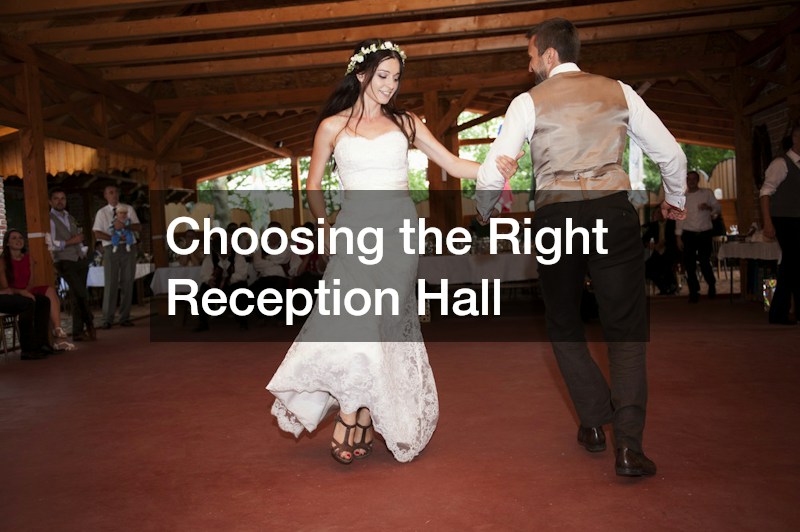
If you plan to hold your ceremony at a place of worship or another separate location, you’ll need a space for the party afterward. A wedding reception hall can provide a practical, budget-conscious solution, especially for larger families. Many halls come equipped with dance floors, kitchens, tables, and sound systems, which reduces the number of rentals you’ll need.
When touring halls, picture the space through the eyes of your guests. Is there a quiet corner where grandparents can chat without shouting over the music? Could you set up a kids’ activity table with coloring books and games? Is the layout easy to navigate for anyone using a wheelchair or walker?
Ask detailed questions about what the rental fee covers. Some halls require you to use their in-house vendors, while others let you bring your own food and drinks, which can lead to big savings. Check whether the price includes cleanup, security, or staff, and clarify how many hours you’ll have access to the space.
Don’t overlook community options, either. Veterans’ halls, fraternal lodges, and cultural centers often rent at reasonable rates and carry a warm, welcoming atmosphere.
Customizing Your Bridal Gown
Many brides assume a made-to-order dress is out of reach financially, but that’s not always true. Custom bridal gowns can sometimes cost about the same as designer off-the-rack options, and they come with a big advantage: you get exactly what you want without paying for features you don’t. A skilled designer can work within your budget by adjusting fabric choices, embellishments, and construction details.
Customization also opens doors for a family-friendly celebration. You might choose a comfortable, breathable silhouette that lets you chase a flower girl across the lawn or dance with your nephews. Some brides incorporate meaningful touches, like lace from a mother’s or grandmother’s dress, which adds sentimental value without a hefty cost.
Start the process early. Rush fees can inflate the price quickly, and giving your designer plenty of time allows for thoughtful fittings and fewer last-minute adjustments. Typically, six to nine months gives you a comfortable window.
If a fully custom design still stretches your budget, consider customizing a simpler base gown. Adding sleeves, swapping a neckline, or attaching a detachable train can transform a modest dress into something uniquely yours.
Coordinating the Transportation

Transportation might seem like a small detail, but it can make or break the flow of your day, especially when you have kids and older relatives in the mix. Think about who actually needs a ride. The wedding party, immediate family, and guests who can’t drive themselves are usually top priorities.
Many couples find that wedding limo services offer better value than they expected, particularly when they book a larger vehicle that carries several people at once. A stretch limo or party bus can transport the bridal party, parents, and grandparents together, reducing the need for multiple cars and adding a festive touch to the journey.
To keep costs down, book only the hours you truly need. Most companies charge by the hour with a minimum booking, so plan your timeline carefully. Ask about packages that include drop-off at the ceremony and pickup after the reception, and confirm whether the quote covers gratuity, fuel, and tolls.
If you’re hosting guests from out of town, consider a shuttle between the hotel and venue. It keeps everyone safe, eliminates parking hassles, and lets parents relax and enjoy the celebration without worrying about the drive home.
Choosing Affordable Flowers
Flowers add color and romance, but floral costs can climb quickly. The key to saving lies in choosing blooms wisely. Seasonal flowers usually cost less because florists don’t have to import them from far away. Ask your florist what will be at its peak around your wedding date and build your palette from there.
Roses remain a popular choice for good reason. They’re widely available year-round, come in countless colors, and fit nearly any style. Simple rose bouquets often cost less than arrangements built around rare or exotic flowers, and they photograph beautifully. You can mix roses with affordable filler blooms and greenery to create fuller arrangements without adding many stems.
Look for ways to make your flowers do double duty. Bridesmaids’ bouquets can rest in vases on the head table during the reception, and ceremony arrangements can move to the reception space. This approach cuts the total number of pieces you’ll need.
Get the kids involved, too. Flower girls can scatter petals instead of carrying full bouquets, and young ring bearers can wear simple boutonnieres. You might also hand out small flowers to grandmothers and other special guests as a sweet, inexpensive gesture.
Opting for a Wedding Tent
Outdoor weddings bring natural beauty, fresh air, and plenty of space for kids to roam, but they also come with weather risks. A tent provides a reliable backup plan and can transform a backyard, field, or park into a beautiful reception space. In many cases, combining a free or low-cost outdoor property with a tent costs less than booking a traditional indoor venue.
When comparing wedding tent rentals, consider your guest count and layout. You’ll need enough room for tables, a buffet line, a dance floor, and perhaps a kids’ play area. Rental companies can help you figure out the right size, and many offer package deals that include tables, chairs, lighting, and sidewalls.
Ask about extras that improve guest comfort. Sidewalls protect against wind and rain, while fans or heaters keep the temperature pleasant. Flooring may also be worth the investment if the ground is uneven, since it reduces tripping hazards for little ones and older guests alike.
Book early, especially for summer and fall dates when demand runs high. Confirm what the price includes, such as delivery, setup, and takedown, and check whether you’ll need permits for your chosen location.
Customizing Your Engagement Ring
The engagement ring often comes before any other wedding expense, but it still belongs in your overall budget conversation. Customizing a ring can help you get more meaning and quality for your money. Rather than paying for a brand name, you can focus on the details that matter most to you.
A professional engagement ring service can guide you through options for metals, settings, and stones. For example, lab-grown diamonds and alternative gemstones like moissanite or sapphire typically cost less than natural diamonds while offering stunning sparkle. Choosing a slightly smaller center stone with a halo setting can also create a bigger look at a lower price.
Customization also lets you include family heirlooms. You might reset a grandmother’s diamond into a modern band or use gold from a family piece in your new design. These touches honor loved ones and can lower costs by reducing the amount of new material you need.
Talk openly with your jeweler about your budget from the start. A good professional will respect your limits and suggest creative ways to achieve the look you love without stretching your finances too thin.
Choosing Your Jewelry

Beyond the rings, you’ll likely want accessories to complete your look, along with gifts for your wedding party. Earrings, necklaces, bracelets, and hairpieces can all add sparkle, but they don’t need to cost a fortune. Start by deciding which pieces you’ll actually wear and which you can skip.
Visiting a jewelry store in person lets you see how pieces look with your gown and try different styles before committing. Staff can help you find options that match your dress’s neckline and overall style. Ask about sales, bundles, or discounts for buying multiple items, especially if you plan to purchase bridesmaid gifts at the same time.
Consider pieces with lasting value. Classic pearl earrings or a simple pendant can transition easily into everyday wear, so you’ll get use out of them long after the wedding. Groomsmen might appreciate cufflinks or tie bars they can wear to future events.
Family-friendly weddings also offer a chance to include young attendants. Small charm bracelets or simple necklaces make thoughtful keepsakes for flower girls and junior bridesmaids. Borrowing a piece from a parent or grandparent can fulfill the “something borrowed” tradition at no cost.
Sourcing Unique Decor
Decor lets you put your personal stamp on the celebration, but buying everything new can strain your budget fast. Thinking outside the box can help you find one-of-a-kind items at surprisingly low prices.
A local pawn shop might not be the first place you think of for wedding supplies, but it can hold hidden treasures. Many pawn shops carry vintage frames, antique candlesticks, crystal serving pieces, and quirky collectibles that make charming centerpieces or table accents. You may also find speakers, sound equipment, or cameras that come in handy on the big day.
Thrift stores, estate sales, and online marketplaces offer even more possibilities. Mismatched vintage china or glassware creates an eclectic, homey look that suits a family celebration perfectly. Once the wedding ends, you can keep your favorite pieces or resell them to recoup some of your costs.
Don’t forget to tap into your family’s talents and belongings. Relatives may have lanterns, tablecloths, or decorative items they’d happily lend. Crafty family members might enjoy helping with DIY projects, and kids can create artwork or signs that add a personal, heartfelt touch to the decor.
Planning Your Big Day
Budgeting for a family-friendly wedding comes down to a simple idea: focus on what brings people together. When you prioritize comfort, connection, and shared experiences, you’ll naturally spend less on extras that don’t add much to the day.
Start with a clear total and a list of priorities you and your partner agree on. That foundation helps you make faster decisions, resist impulse purchases, and handle vendor conversations with confidence.
Remember that flexibility often leads to savings. An off-peak date, a daytime celebration, or a less traditional location can free up funds for the details you care about most.
Keep your guests in mind at every step. Accessible spaces, kid-friendly menus, and convenient travel arrangements show your loved ones that you thought about their needs, and those thoughtful choices rarely cost much.
Personal touches don’t require big spending, either. Heirlooms, family contributions, and handmade details often carry more meaning than anything you could buy, and they help tell the story of the families you’re joining.
Stay organized as the date approaches. A simple spreadsheet tracking deposits, due dates, and remaining balances can prevent surprises and keep your plan on track. Review it regularly with your partner so you both stay on the same page.
Above all, give yourself grace. Few weddings go exactly as planned, and small hiccups rarely matter in the long run. What guests remember most is the love, laughter, and sense of family that filled the room.
With careful planning and a little creativity, you can host a celebration that welcomes everyone, honors your relationship, and leaves your finances in good shape for the life ahead. Here’s to a joyful day and a happy beginning for your growing family!